
The Translucence of Time: Why We Collect
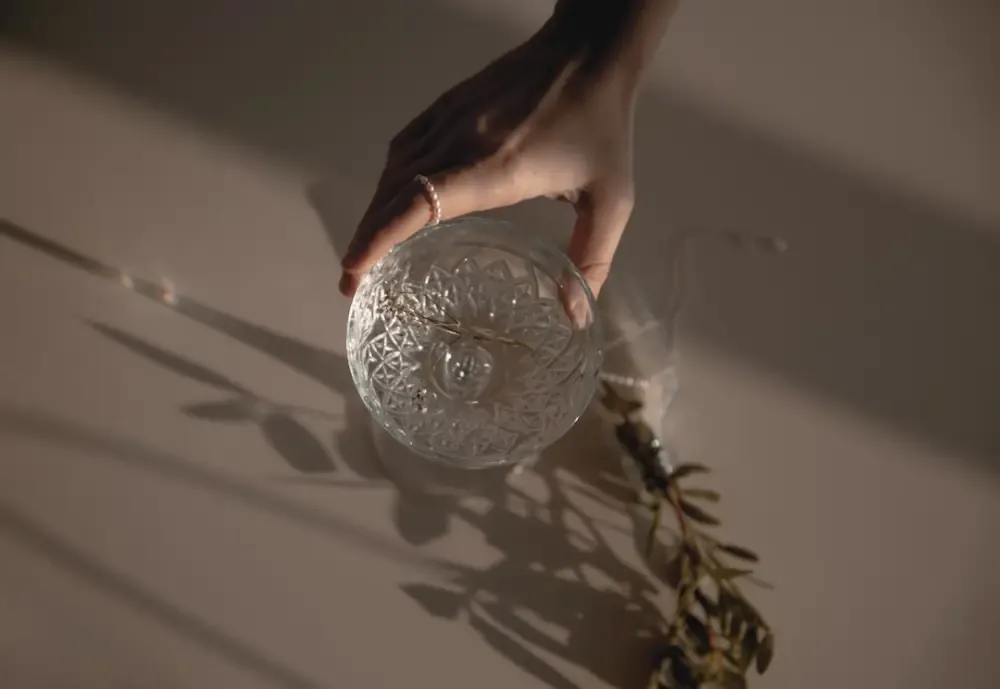
There is a peculiar, almost haunting beauty in the way light passes through a hand-blown piece of Venetian glass. It does not merely illuminate the object; it seems to activate it, pulling colors from the depths of the silica and breath that formed it centuries ago—or perhaps just last week in a furnace on the island of Murano. For the collector and the enthusiast of fine interior design, the act of curating glass is rarely about filling a void on a shelf. Instead, it is a deeply introspective process of capturing something ephemeral: a moment, a feeling, or a memory.
To hold a piece of Murano glass is to hold a physical manifestation of a human breath. When we choose to bring these objects into our homes, we are not just decorating; we are archiving. We are selecting vessels that will hold the light of our specific lives, mirroring our experiences back to us through their swirls of gold leaf and ribbons of latticino.
The Alchemy of Presence and Absence
Venetian glass occupies a unique space in the world of material objects. It is solid, yet it mimics the fluidity of water. It is heavy with the history of Italian craftsmanship, yet it appears as light as air. This duality is why glass feels so much like memory itself. Memories are often vivid yet intangible, structured yet prone to shifting when viewed from a different angle.
When you curate a collection of Venetian glass, you are engaging in a form of alchemy. You are taking the raw, elemental forces of fire and earth and placing them in a domestic setting where they become witnesses to your daily life. A cobalt blue vase on a mantlepiece becomes more than a decorative accent; it becomes the backdrop for Sunday morning coffees, the silent observer of evening conversations, and the recipient of the shifting seasons’ light. Over time, the object and the experience become inseparable.
The Artisan’s Hand as a Link to the Past
One cannot discuss Venetian glass without acknowledging the lineage of the masters who create it. Every ripple in a piece of glass is a fingerprint of a tradition that has survived for over seven centuries. When we curate these pieces, we are preserving a collective cultural memory. We are honoring the generations of artisans who worked in the heat of the Venetian lagoons, passing down secrets from father to son.
This connection to the past adds a layer of weight to the act of curation. We are not just buying a product; we are becoming stewards of a legacy. This sense of stewardship transforms the home into a living museum—not one that is cold and distant, but one that is warm, personal, and deeply connected to the human spirit of creation.
Curating for Connection: How to Choose Pieces That Resonate
If curating glass is about preserving memory, then the selection process should be guided by intuition and emotional resonance rather than mere trends. To build a collection that feels like a narrative of your own life, consider the following elements:
- The Resonance of Color: Choose hues that evoke specific personal landscapes. Perhaps a deep amber reminds you of a particular sunset, or a vibrant aquamarine mirrors the waters of a cherished vacation.
- The Texture of Experience: Venetian glass offers a variety of textures, from the smooth, icy finish of sommerso to the complex, tactile ridges of 'balloton' glass. These textures invite touch, grounding the memory in a physical sensation.
- The Weight of Story: Seek pieces that have a story, whether it is the history of the specific furnace where it was made or the personal story of how you acquired it.
- The Play of Light: Consider how a piece changes throughout the day. A collection that evolves with the morning sun and the evening shadows reflects the fluid nature of our own recollections.
The Fragility of the Moment
There is an inherent vulnerability in glass. It can shatter. While some might see this as a deterrent, the reflective collector understands that this fragility is exactly what makes the preservation of glass so poignant. Memory, too, is fragile. It can fade, distort, or be lost entirely if not cared for. By placing a delicate Venetian glass sculpture in a place of honor, we are making a statement about the value of the ephemeral.
We are saying that because something is breakable, it is more precious. We handle it with more care, we look at it with more intentionality, and we appreciate its presence more deeply. This mindfulness is the essence of a well-curated life. It is the recognition that the beauty we surround ourselves with is a reflection of the care we give to our own internal worlds.
A Legacy in Translucence
Ultimately, the act of curating Venetian glass is an act of love—for the craft, for the history of Murano, and for the personal journey of the collector. As the years pass, the collection becomes a map of a life well-lived. Each piece serves as a milestone, a shimmering anchor in the stream of time.
When we look at our curated spaces, we shouldn't just see a collection of luxury items. We should see the light of our own history reflected back at us. We should see the courage it takes to cherish fragile things and the wisdom of knowing that some memories are best preserved in the glow of hand-blown glass. In the end, we do not just own these pieces; we live alongside them, allowing their timeless beauty to illuminate the quiet, profound moments that make up a human life.