The Timeless Synergy of Art Deco and Venetian Glass
Art Deco is a design movement defined by its love for glamour, geometric precision, and bold statements. Born in the early 20th century, it continues to be a favorite for those looking to infuse their homes with a sense of high-end sophistication. However, a common challenge with Art Deco interiors is that they can sometimes feel cold or overly rigid due to their sharp lines and industrial materials. This is exactly where Venetian glass steps in.
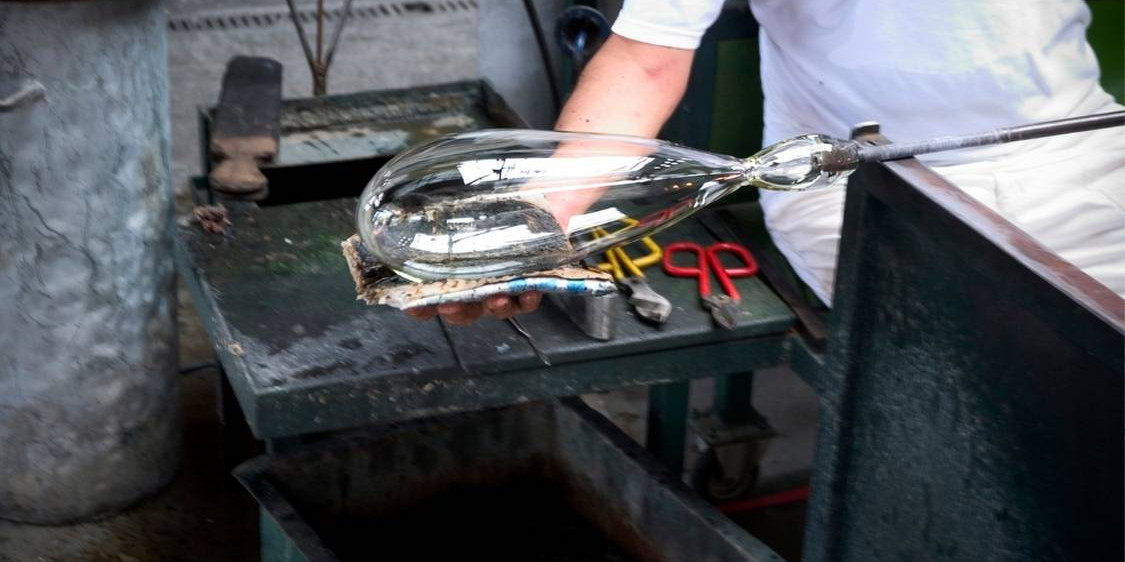
Venetian glass, particularly pieces from the island of Murano, provides the ‘soul’ that Art Deco spaces often crave. The organic, fluid nature of hand-blown glass softens the architectural sharpness of Deco furniture. In this guide, we will explore practical ways to integrate Venetian glass into your Art Deco-inspired home to create a balanced, inviting, and luxurious environment.
Balancing Geometric Rigidity with Fluid Artistry
The core of Art Deco design lies in its symmetry and repetitive patterns—think sunbursts, chevrons, and stepped forms. While these elements create a strong visual impact, they benefit from a counterpoint. Venetian glass offers a necessary contrast through its unique textures and soft silhouettes.
Creating Visual Harmony
To achieve a balanced look, consider the ‘Rule of Opposites.’ If you have a highly structured, dark wood sideboard with sharp corners, place a Venetian glass bowl with rounded edges and vibrant colors on top. The glass acts as a visual break, drawing the eye and softening the overall presentation. The craftsmanship involved in Venetian glass ensures that even though the shape is fluid, the quality matches the premium feel of the Art Deco aesthetic.
Selecting the Right Color Palette
Art Deco often utilizes a palette of high-contrast neutrals—black, silver, chrome, and white—accented by deep jewel tones. Venetian glass is famous for its mastery of color, making it the perfect medium to introduce these accents into your space.
- Gold Leaf Accents: Many Venetian pieces incorporate 24k gold leaf or silver foil. These pieces pair exceptionally well with the metallic finishes commonly found in Art Deco hardware and mirrors.
- Deep Jewel Tones: Look for vases or sculptures in emerald green, cobalt blue, or ruby red. These colors resonate with the opulence of the 1920s and 30s.
- Opaque ‘Latticino’ Techniques: The delicate, lace-like patterns of Latticino glass can add a layer of intricate detail that mimics the sophisticated patterns found in Art Deco wallpapers and textiles.
Practical Lighting Strategies Using Venetian Glass
Lighting is arguably the most important element in an Art Deco room. The era was obsessed with the way light interacted with surfaces. Venetian glass chandeliers and sconces are not just light sources; they are sculptural masterpieces that define the atmosphere of a room.
The Power of the Murano Chandelier
In a dining room or entryway, a Murano glass chandelier serves as the ‘soul’ of the space. To keep it practical and modern, choose a design that utilizes ‘Rezzonico’ styling or stylized floral elements. When these are hung above a geometric Art Deco dining table, the light refracts through the hand-blown glass, casting soft shadows that make the room feel warmer and more lived-in.
Using Sconces for Ambient Glow
Art Deco is known for its use of mood lighting. Instead of harsh overhead lights, use Venetian glass wall sconces. Position them on either side of a large, framed mirror. The glass will diffuse the light, reducing glare on the mirror’s surface and highlighting the textures of your wall treatments.
Practical Styling Tips for Your Space
If you are looking to start incorporating Venetian glass into your current Art Deco setup, follow these actionable steps:
- Start with a Focal Point: Choose one significant piece, such as a large Sommerso vase (the technique of layering colors), and place it where it can catch natural light.
- Layer Your Textures: Place a delicate glass sculpture on a mirrored tray. The reflection doubles the visual impact of the glass and emphasizes the Art Deco love for reflective surfaces.
- Consider Scale: Art Deco furniture is often substantial. Ensure your glass pieces are large enough to hold their own. A small, tiny bird sculpture might get lost on a massive Macassar ebony desk; opt for a tall, elegant glass vase instead.
- Mix Old and New: You don’t need to find vintage 1920s glass. Contemporary Venetian artisans still use the same techniques. A modern Murano piece can breathe new life into an antique Art Deco room.
Maintaining the Soul of Your Collection
Venetian glass is an investment in both art and interior design. To ensure it continues to provide that ‘soulful’ energy to your home, practical maintenance is key. Always dust your glass with a soft, lint-free microfiber cloth to avoid scratches. For pieces with intricate crevices, such as chandeliers, a light spray of a specialized glass cleaner applied to a cloth (never directly on the glass) will keep the colors vibrant and the light refraction clear.
Conclusion
The marriage of Art Deco and Venetian glass is one of the most enduring partnerships in interior design. By combining the structured, architectural beauty of the Deco movement with the fluid, hand-crafted spirit of Italian glassmaking, you create a space that feels both disciplined and deeply human. Whether through a single bold vase or a magnificent chandelier, Venetian glass ensures your Art Deco space remains timeless, sophisticated, and full of life.
Related Posts
Why the act of curating glass feels like preserving a memory
Discover why collecting Venetian glass…

The Growing Presence of Venetian Glass in Contemporary Luxury Homes
Explore the reflective beauty of…